
Anxiety vs ADHD: Why They Overlap and How to Tell Them Apart
A busy mind, restlessness, trouble focusing: anxiety and ADHD share surface symptoms and often occur together. But the engine behind them is different, and telling them apart usually needs a professional.
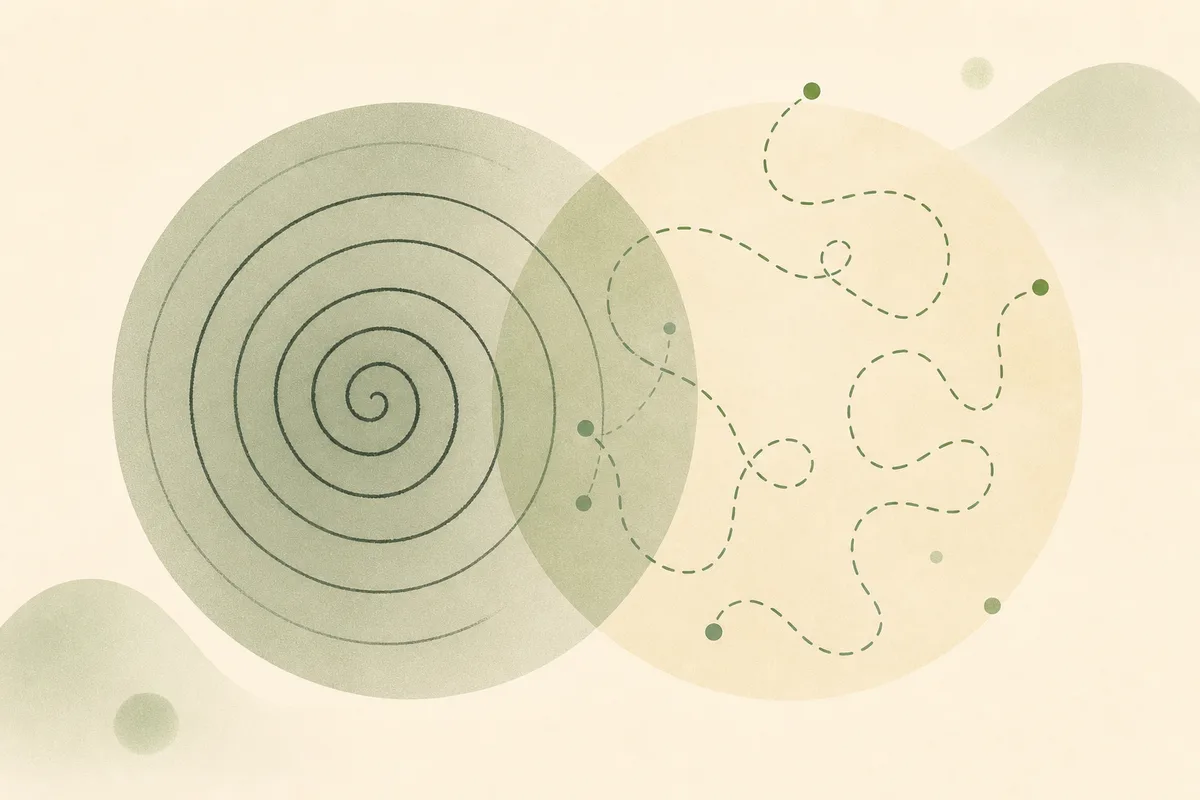
Anxiety and ADHD share several surface symptoms, like a busy mind, restlessness, and trouble focusing, and they often occur together. But the engine behind them is different, and telling them apart usually needs a professional, not a self-diagnosis from a list of traits.
Where they look alike
On the surface, both can show up as a mind that will not settle, restlessness and difficulty sitting still, trouble concentrating and following through, and sleep problems paired with feeling on edge.
Because the symptoms overlap, people are sometimes treated for one when the other is also (or instead) present, which is part of why getting a clear picture matters.
Where they actually differ
The difference is usually in the "why" underneath the symptom.
The busy mind. Anxiety creates a worry-driven inner monologue ("what if this goes wrong"). ADHD creates a mind that jumps between topics quickly without intentional focus, less about fear, more about attention shifting.
Trouble focusing. With anxiety, worry and physical tension crowd out concentration. With ADHD, the difficulty comes from how the brain's attention and executive systems work, independent of worry.
The behavior pattern. Anxiety tends toward avoidance, over-preparation, and reassurance-seeking. ADHD tends toward inconsistent engagement, impulsivity, and difficulty sustaining attention.
Why they often go together
ADHD and anxiety frequently co-occur, and they can feed each other. Living with the daily friction of undiagnosed ADHD (missed deadlines, forgotten things, feeling behind) can generate real anxiety. And anxiety can worsen the focus and follow-through that ADHD already strains.
Because they overlap, treating only one can leave you frustrated that things have not fully improved, which is exactly why an assessment is worth it. ADHD's links reach beyond mood too - we covered the research on its physical-health connections in a separate post.
A useful question: is your focus problem driven by worry (anxiety), or does your attention drift even when you are calm and not worried (more ADHD-like)? It is not a diagnosis, but it points you in the right direction.
Related pages
Frequently asked questions
How do I know if it's ADHD or anxiety? +
A rough guide: anxiety-driven focus problems come with worry and tension, while ADHD-related ones persist even when you are calm. This is only a pointer. Proper diagnosis requires a qualified evaluation.
Can ADHD cause anxiety? +
Indirectly, yes. The everyday challenges of ADHD, like missed deadlines and feeling behind, can generate genuine anxiety. They also commonly co-occur. A professional can clarify the relationship in your case.
Can you have both ADHD and anxiety? +
Yes, and it is common. Because they overlap and influence each other, treating just one may not resolve everything, which is a key reason to get assessed rather than guess.
Author
Sebastian Cochinescu · Founder, Anima Felix
Founder of Anima Felix. Writes about everyday anxiety patterns, practical calming tools, and how conversational product design can support people in anxious moments.
Read author profileWhere Anima Felix fits
For the anxiety side of the overlap
Anima Felix works on the anxiety side: calming the worry loop and the physical tension with breathing, grounding, and a quick check-in to spot what is driving the moment. It does not assess or treat ADHD. If you suspect ADHD, or both, a qualified professional can sort out what is going on and what will actually help; the app can support the anxiety piece alongside that.
More from the blog
How Anxiety Affects Your Sleep (and What to Do)
Anxiety can keep your body alert when you need rest, then teach your brain to associate bed with effort. Understanding that cycle points to practical ways to loosen it.
Understanding anxietySigns You're Recovering From Anxiety
Recovery from anxiety can be easy to miss because ordinary days replace dramatic moments. The clearest signs appear in what gets your attention and what no longer controls your choices.
Mind and bodyCaffeine and Anxiety: How Much Is Too Much?
Caffeine can create the same racing heart, jitters, and restlessness that come with anxiety. The useful limit is personal, and it may be well below the general adult safety ceiling.