
Can Anxiety Cause Diarrhea and Sudden Bathroom Urgency?
Anxiety can change how your gut behaves. The harder problem is usually the loop that forms afterwards, when every trip out starts getting planned around bathrooms.
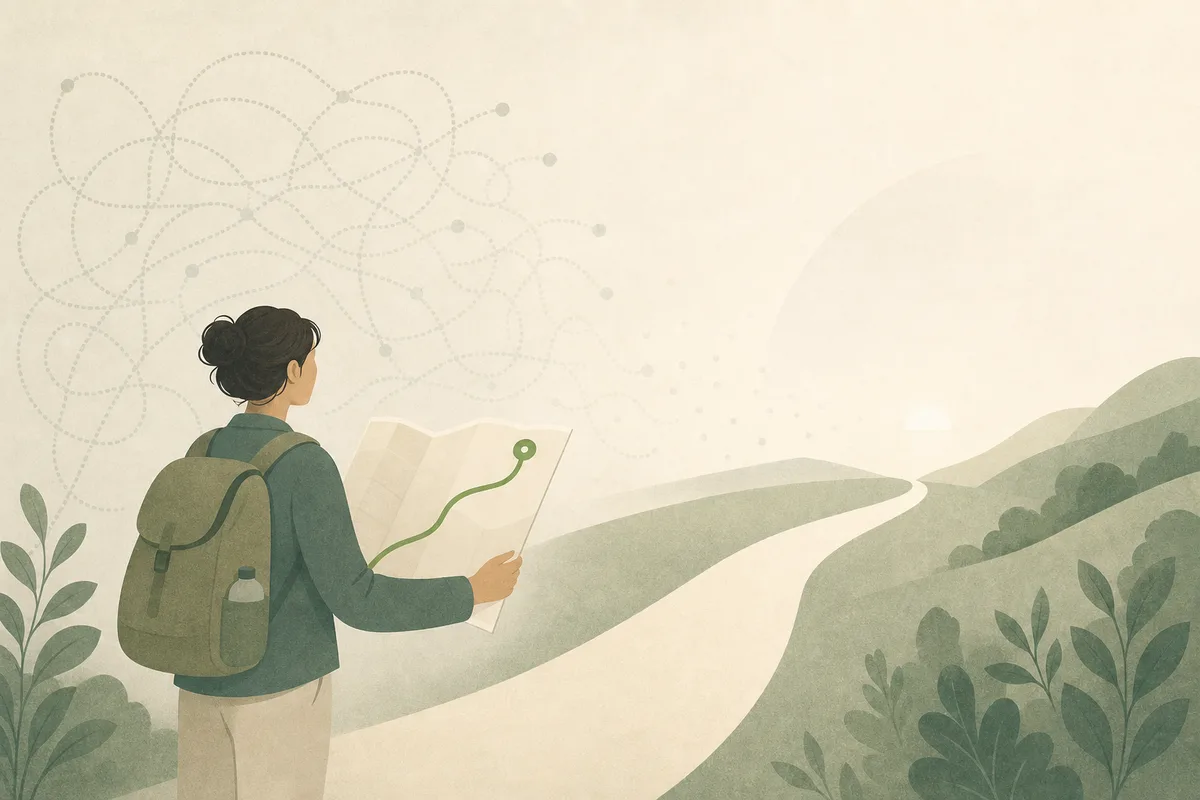
Anxiety before an exam, a flight, or a difficult conversation can send you straight to the bathroom. That connection is well recognised, and it is not something you are imagining or exaggerating. What often turns a one-off into an ongoing problem is what happens afterwards, once you start planning around it.
The gut listens to the alarm system
Your gut and your brain are in constant two-way conversation. Harvard Health puts it plainly: "Anger, anxiety, sadness, elation, all of these feelings (and others) can trigger symptoms in the gut," and notes that stress and other psychological factors can affect the movement and contractions of the digestive tract. The same page describes the link running the other way too, with a troubled intestine sending signals to the brain.
That is enough to explain why a stressful morning can unsettle your gut. Harvard lists loose stools among the symptoms people report, alongside heartburn and abdominal cramps.
This is a mechanism, not a diagnosis. Infection, food intolerance, medication, inflammatory conditions, and many other things produce the same symptoms. Repeated symptoms need assessment, not a plausible theory. If nausea is a bigger part of your picture, can anxiety cause nausea covers that side.
How the urgency loop builds
One bad episode is often enough to start it. Afterwards, the mind begins mapping every route by its bathrooms and running the what-if in advance.
Watching your gut makes ordinary sensations louder. Once you are monitoring it, perfectly normal gurgles and shifts get read as the warning sign, which raises anxiety, which affects the gut, which supplies more sensations to monitor.
Skipping the trip, refusing the meal, or declining the invitation brings immediate relief and quietly confirms the situation was dangerous. Each skip leaves fewer places you will go, and those that remain feel more dangerous.
One plan, held steady
Make a small plan, then stop adding to it.
Know where a bathroom is. Carry what you need. Eat according to whatever medical guidance you have been given. That is a reasonable plan.
Then keep it fixed. Watch whether anxiety keeps adding rules to the plan: one more check before leaving, one more food removed, one more route ruled out, leaving progressively earlier. Each addition feels like sensible caution in the moment and functions as another piece of evidence that you are in danger.
Restricting food to manage the fear deserves particular care, because it can create real nutritional problems on top of the anxiety, and it should not be done without professional advice. If the checking and the catastrophic interpretations are the dominant part, the health anxiety page addresses that pattern directly.
When to see a doctor
Some symptoms need medical attention regardless of how well an anxiety explanation seems to fit. The NHS advises getting help for bloody diarrhoea or bleeding from the bottom, diarrhoea lasting more than seven days, signs of dehydration, or being unable to keep fluids down, and urgent care, or your local emergency services, for a sudden severe stomach ache.
Beyond that list, it is worth raising persistent or recurrent symptoms, fever, symptoms that wake you at night, or unintended weight loss with a doctor. Anxiety and a gut condition can also coexist, so a diagnosis of one does not rule out the other, and getting the physical side assessed usually takes pressure off the anxious side as well.
Make one practical plan, keep it stable, and watch for anxiety quietly adding new rules before every trip out.
Related pages
Frequently asked questions
Can anxiety cause urgency right before leaving home? +
It can contribute, especially once leaving the house has become associated with the fear itself. Other causes are possible, so a recurring pattern is worth having checked rather than assumed.
Should I stop eating before I travel? +
Not without professional advice. Skipping meals to control the fear can create separate health problems and usually strengthens the anxiety rather than reducing it, because it works as one more precaution the fear demands.
Can IBS and anxiety overlap? +
They can, and each can make the other harder to manage. Only a clinician can assess your symptoms and decide what treatment is appropriate, and having one does not mean the other is not also present.
Is it normal to feel this embarrassed about it? +
It is extremely common, and the embarrassment is part of what keeps the problem going, because it makes people delay seeing a doctor. Clinicians deal with these symptoms constantly and will not find the conversation unusual.
Author
Sebastian Cochinescu · Founder, Anima Felix
Founder of Anima Felix. Writes about everyday anxiety patterns, practical calming tools, and how conversational product design can support people in anxious moments.
Read author profileWhere Anima Felix fits
For the secondary panic
When a pattern has been medically assessed and anxiety is part of it, Anima Felix offers breathing and grounding to take the edge off the anticipation before a trip out. It does not assess digestive symptoms, identify causes, or replace medical care.
More from the blog
Anxiety Attack vs Panic Attack: What Is the Difference?
Only one of these two phrases is a clinical term. Knowing which is which explains why two people can describe an anxiety attack and mean completely different experiences.
Mind and bodyCan Nicotine or Vaping Make Anxiety and Panic Worse?
Nicotine feels like it takes the edge off. What it mostly takes off is the edge nicotine put there in the first place.
Body symptomsShortness of Breath: Anxiety or Something Else?
Anxiety can make it hard to breathe. It is also one of the symptoms you should be slowest to explain away on your own, because the same feeling has many other causes.